

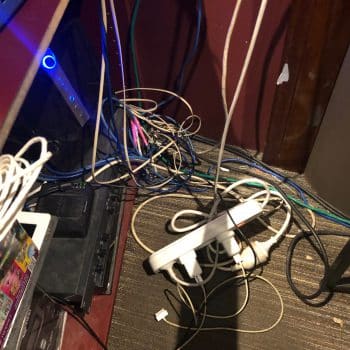
Testing and Inspecting Electrical Equipment is an important part of managing electrical risks in the workplace. One of the most common questions business owners ask is:
“How often do I need to test and tag my electrical equipment?”
The answer often surprises people.
There is no single 12-month testing interval that applies to every piece of electrical equipment in every workplace. Instead, businesses need to identify electrical risks, maintain equipment in a safe condition, and determine an inspection and testing program that is appropriate for their workplace and the applicable state or territory requirements.
Understanding the difference between electrical inspections, testing and test and tag requirements can help businesses remain compliant, reduce risk and, most importantly, keep workers safe.
Legal Requirements for Testing and Inspecting Electrical Equipment
Under the Work Health and Safety (WHS) Act, a Person Conducting a Business or Undertaking (PCBU) has a duty to ensure, so far as is reasonably practicable, that workers are not exposed to electrical risks.
The Code of Practice – Managing Electrical Risks in the Workplace explains that electrical equipment should be appropriately maintained and inspected, with testing undertaken where necessary based on the risks involved.
This means businesses need to have a process in place to ensure electrical equipment remains safe throughout its service life.
For businesses operating in NSW, SafeWork NSW provides guidance on electrical inspection and testing, including information about inspecting, testing and maintaining electrical equipment.
Does Everything Need to Be Test and Tagged?
No.
Testing and tagging is only one control measure used to manage electrical risks.
Many businesses incorrectly assume that every electrical item must be connected to a Portable Appliance Tester (PAT) every year. In reality, inspection and testing requirements depend on factors such as the type of equipment, workplace environment, level of risk and applicable legal requirements.
Some equipment may only require regular visual inspections, while equipment used in higher-risk environments may require routine electrical testing.
Testing and Inspecting Electrical Equipment should be based on the level of risk rather than an automatic annual schedule.
The appropriate inspection and testing frequency should take into account:
- The type of equipment.
- How often it is used.
- The environment in which it operates.
- The likelihood of damage.
- The manufacturer’s recommendations.
- Previous inspection and testing results.
- The level of electrical risk.
- Applicable state or territory requirements.
How Often Should Electrical Equipment Be Tested?
There is no universal testing schedule that applies to every workplace and every piece of electrical equipment.
The appropriate frequency for Testing and Inspecting Electrical Equipment depends on the circumstances in which the equipment is used and the risks associated with it.
Higher-risk workplaces may require more frequent inspection and testing, while equipment used in lower-risk environments may require less frequent testing depending on the applicable requirements.
Businesses should consider:
- Whether equipment is exposed to moisture, dust, heat or chemicals.
- Whether equipment is frequently moved or transported.
- Whether equipment is likely to suffer physical damage.
- How frequently the equipment is used.
- Whether previous inspections have identified defects.
- The manufacturer’s instructions.
- The requirements that apply in the relevant state or territory.
A risk-based approach helps businesses determine an inspection and testing program that is appropriate for their workplace rather than relying on a blanket annual schedule.
What Should Be Checked When Testing and Inspecting Electrical Equipment?
Every inspection should include a careful visual examination for signs of damage or deterioration, including:
- Damaged power cords.
- Broken plugs.
- Missing earth pins.
- Cracked casings.
- Loose fittings.
- Burn marks or signs of overheating.
- Damaged extension leads.
- Exposed wiring.
- Evidence of water damage.
Many electrical faults can be identified through a visual inspection before specialised testing is required.
Workers should also be encouraged to check electrical equipment before use and immediately report anything that appears damaged or unsafe.
High-Risk Workplaces
Some workplaces have a much greater risk of electrical damage than others.
Examples include:
- Construction sites.
- Manufacturing facilities.
- Warehouses.
- Workshops.
- Mining operations.
- Agricultural workplaces.
- Outdoor work environments.
Electrical equipment in these locations may be exposed to:
- Moisture.
- Heat.
- Dust.
- Vibration.
- Impact.
- Chemicals.
- Frequent movement.
- Harsh working conditions.
Because of these additional risks, inspection and testing may need to occur more frequently.
More frequent Testing and Inspecting Electrical Equipment may be necessary when equipment is exposed to conditions that increase the likelihood of damage or electrical faults.
Businesses should assess the conditions in which equipment is used and ensure their inspection and testing program reflects the actual level of risk.
Low-Risk Offices
In contrast, equipment used in an office environment may be subject to considerably less physical damage.
Desktop computers, monitors and printers that remain in one location may have a lower risk profile than equipment used on construction sites or in workshops.
However, lower risk does not mean that equipment can be ignored.
Regular visual inspections should still be carried out, and equipment should be removed from service if it shows signs of damage or becomes unsafe.
This demonstrates why a one-size-fits-all testing schedule is rarely appropriate.
Who Can Perform the Inspection?
Visual inspections can often be carried out by a competent person who has been appropriately trained to recognise electrical defects and hazards.
Electrical testing, commonly known as test and tag, should be performed by a person with the appropriate training, competency and suitable testing equipment, in accordance with the requirements that apply in the relevant state or territory.
Workers should also be encouraged to inspect equipment before use and immediately report any defects.
Competent inspections are an important part of Testing and Inspecting Electrical Equipment and help identify problems before they become more serious electrical hazards.
It is important to understand that competency and licensing requirements can vary depending on the type of electrical work being performed and the jurisdiction.
What Happens if Equipment Is Damaged?
Unsafe equipment should be:
- Switched off where it is safe to do so.
- Removed from service immediately.
- Clearly labelled so it cannot be used.
- Reported to management.
- Repaired by a competent or appropriately qualified person, where required.
- Replaced if it cannot be safely repaired.
Never continue using electrical equipment that shows signs of damage simply because it has a current test tag attached.
A test tag only indicates that the equipment was inspected and/or tested at a particular point in time. Equipment can become damaged or unsafe after testing, which is why ongoing visual inspections and appropriate maintenance remain important.
Keeping Electrical Inspection Records
Maintaining inspection and testing records can help demonstrate that your business is actively managing electrical risks.
Records may include:
- An electrical equipment asset register.
- Inspection dates.
- Testing dates.
- Test results.
- Defects identified.
- Repairs undertaken.
- Equipment removed from service.
- Corrective actions.
- Next inspection or testing due date.
Keeping accurate records also helps businesses demonstrate that Testing and Inspecting Electrical Equipment is being managed as part of their broader electrical safety program.
Good records can provide valuable evidence that appropriate processes are in place if your business is audited or investigated following an incident.
Practical Tips for Businesses
An effective electrical equipment inspection and testing program should include:
- Maintaining an up-to-date electrical equipment register.
- Training workers to identify damaged or unsafe equipment.
- Completing routine visual inspections.
- Scheduling electrical testing based on the level of risk.
- Following applicable state or territory requirements.
- Recording inspections, testing and corrective actions.
- Promptly removing unsafe equipment from service.
- Reviewing inspection frequencies when workplace conditions change.
- Following relevant manufacturer recommendations.
A well-managed program for testing and Inspecting Electrical Equipment should be reviewed regularly to ensure that inspection and testing frequencies remain appropriate for the workplace.
Final Thoughts
Testing and Inspecting Electrical Equipment is about much more than attaching a tag to a power lead. It is about maintaining a practical, risk-based system that helps ensure electrical equipment remains safe throughout its service life.
Effective Testing and Inspecting Electrical Equipment involves regular visual inspections, appropriate electrical testing, proper record keeping and prompt action when defects are identified. Businesses should also review their inspection and testing practices when workplace conditions, equipment or risks change.
A strong electrical safety program should not rely solely on a test tag or a fixed annual testing schedule. Instead, businesses should consider the equipment they use, where and how it is used, the likelihood of damage, previous inspection results and the level of risk within the workplace.
It is also important to remember that electrical safety is an ongoing responsibility. Equipment that was safe when it was last tested can become damaged, worn or unsafe through normal use. Regular visual checks, worker awareness, proper maintenance and timely corrective action all play an important role in preventing electrical incidents.
Keeping clear records of inspections, testing, defects and corrective actions can also help businesses demonstrate that electrical risks are being actively managed. These records can provide useful evidence of a business’s safety processes and support ongoing reviews of its electrical equipment management program.
Ultimately, the goal is not simply to have equipment with a current test tag. The goal is to create a workplace where electrical hazards are identified early, unsafe equipment is removed from service and workers understand their role in maintaining electrical safety.
The question should not simply be:
“When do I need to test and tag?”
Instead, ask:
“How can I be confident that the electrical equipment my workers use today is safe?”
That simple change in thinking is at the heart of effective electrical risk management.
By taking a proactive approach to Testing and Inspecting Electrical Equipment, businesses can reduce avoidable risks, support safer working environments and demonstrate a commitment to their WHS responsibilities.
If you need support understanding your workplace compliance requirements or managing safety risks, contact CHD Partners to discuss how we can help.
