

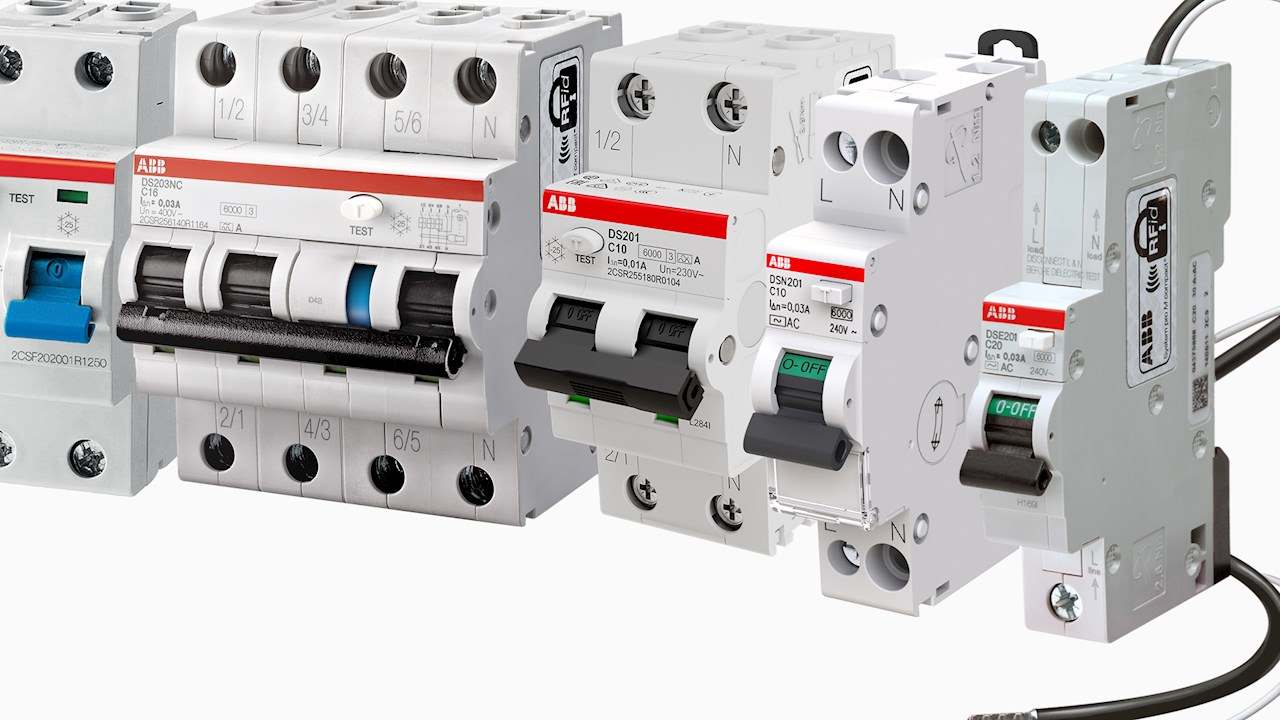
Electricity is an essential part of every workplace, but it also presents one of the most serious workplace hazards. Every year, Australian workers are seriously injured or killed due to electric shock. While safe work practices, regular inspections, and properly maintained equipment significantly reduce the risk, no system is perfect.
This is where a Residual Current Device (RCD) becomes critical.
A Residual Current Device is often referred to as your last line of defence. It does not prevent an electrical fault from occurring, but it can dramatically reduce the severity of an electric shock by disconnecting the power before a serious injury or fatality occurs.
What Is a Residual Current Device (RCD)?
A Residual Current Device (RCD), also known as a safety switch, continuously monitors the flow of electricity through a circuit.
Under normal conditions, the amount of electricity flowing into equipment should be the same as the amount returning.
If electricity begins flowing somewhere it shouldn’t — such as through a person’s body to earth — the Residual Current Device detects the imbalance and quickly disconnects the power supply.
In most cases, this occurs in milliseconds, reducing the likelihood of serious injury or death.
Why Are RCDs So Important for Workplace Electrical Safety?
Electric shock can cause:
- Cardiac arrest
- Severe burns
- Muscle contractions preventing a person from letting go
- Falls from ladders or elevated work platforms
- Permanent disability
- Fatal injuries
An RCD cannot guarantee someone won’t receive a shock, but it significantly reduces the amount of time electricity flows through the body.
That difference of only a fraction of a second can save a life.
An Residual Current Device Does Not Replace Safe Work Practices
Many people incorrectly assume that because an RCD is fitted, electrical work is safe.
This is not the case.
An RCD is designed to reduce the consequences of an electrical fault — it does not eliminate the hazard.
Businesses must still:
- Inspect electrical equipment regularly.
- Remove damaged equipment from service immediately.
- Ensure equipment is suitable for the environment.
- Test and inspect portable electrical equipment where required.
- Train workers to identify electrical hazards.
- Follow safe isolation procedures before undertaking electrical work.
Think of an RCD like the airbags in a vehicle.
You still wear your seatbelt and drive safely. The airbags are there in case everything else fails.
Where Are RCDs Required in Australian Workplaces?
The Code of Practice – Managing Electrical Risks in the Workplace requires PCBUs to manage electrical risks so far as is reasonably practicable.
RCD requirements can vary depending on the type of work, workplace environment, electrical equipment and applicable state or territory legislation. Businesses should ensure they understand the requirements that apply to their specific circumstances.
RCD protection is particularly important where workers use electrical equipment:
- Outdoors
- In construction work
- In manufacturing
- In workshops
- Around water or wet areas
- In agriculture
- In maintenance activities
- During cleaning operations
- In demolition work
- In hostile operating environments
A hostile operating environment may expose equipment to:
- Moisture
- Heat
- Dust
- Chemicals
- Corrosion
- Mechanical damage
- Vibration
These conditions can significantly increase the risk of electric shock.
For additional guidance, SafeWork NSW provides information on Residual Current Devices and their use in workplaces.
Portable RCDs
Where fixed RCD protection is unavailable, portable RCDs can provide additional protection.
They are commonly used for:
- Temporary work sites
- Maintenance activities
- Construction projects
- Outdoor events
- Mobile contractors
- Electrical repairs
Portable RCDs should be inspected before use and tested in accordance with the manufacturer’s recommendations and applicable workplace procedures.
Residual Current Device Testing
Like any safety device, a Residual Current Device (RCD) must work when required. Regular testing helps confirm that the device operates correctly and provides the intended level of protection.
Testing generally includes:
- Using the built-in test button to perform a functional test.
- Instrument testing by a competent person where required.
- Recording inspections and test results in accordance with workplace procedures.
The frequency of RCD testing depends on:
- The type of workplace.
- The level of electrical risk.
- The operating environment.
- Applicable legislation and Australian Standards.
- Manufacturer recommendations and workplace procedures.
A Residual Current Device that has not been appropriately tested cannot simply be assumed to be providing effective protection.
Common misconceptions
“The power still works, so the RCD must be fine.”
Not necessarily. An RCD can fail without obvious signs.
“An RCD stops all electric shocks.”
No. A person may still receive a brief shock before the device disconnects the power.
“Extension leads don’t need RCD protection.”
Incorrect. Any portable electrical equipment used in situations requiring RCD protection should be protected.
“Testing the button once is enough.”
The test button is only one part of ensuring the RCD operates correctly. Periodic testing by a competent person may also be required.
Responsibilities of Employers
Under Australian work health and safety legislation, PCBUs must eliminate or minimise electrical risks so far as is reasonably practicable.
This includes:
- Identifying where RCD protection is required.
- Ensuring suitable RCDs are installed.
- Maintaining RCDs in working order.
- Testing RCDs where required.
- Training workers in electrical safety.
- Removing defective electrical equipment from service immediately.
Employers should also ensure that electrical safety procedures are appropriate for the specific workplace and the risks workers may encounter.
Responsibilities of Workers
Workers also play an important role in maintaining electrical safety by:
- Checking equipment before use.
- Never bypassing or modifying an RCD.
- Reporting damaged power outlets or electrical equipment.
- Using portable RCDs where required.
- Reporting any electrical incident immediately.
- Never using electrical equipment that appears unsafe.
Workers should understand that an RCD is an additional protective measure and not a substitute for following established electrical safety procedures.
Practical Tips for Every Workplace
To improve electrical safety:
- Test the RCD using the test button as part of routine workplace inspections.
- Include RCD inspections in your electrical safety program.
- Ensure portable RCDs are available for temporary work where required.
- Replace damaged extension leads immediately.
- Keep electrical equipment away from water whenever possible.
- Train workers to recognise electrical hazards before they become incidents.
- Remove defective electrical equipment from service immediately.
- Ensure electrical equipment is suitable for the environment in which it is being used.
The Bottom Line
Residual Current Devices are one of the most effective controls available for reducing the risk of serious electric shock.
However, they should never be relied upon as the only control. Safe work procedures, regular inspections, testing of electrical equipment, worker training, and proper maintenance all work together to prevent electrical incidents.
An RCD is your last line of defence — not your first.
When combined with good electrical safety practices, a Residual Current Device provides critical protection that can make the difference between a near miss and a tragedy.
Need help strengthening your workplace safety and compliance practices? Contact CHD Partners to discuss your organisation’s training, compliance and workplace safety requirements.
References
- Safe Work Australia – Managing Electrical Risks in the Workplace – Model Code of Practice
- SafeWork NSW – Code of Practice: Managing Electrical Risks in the Workplace
- AS/NZS 3760 – In-service safety inspection and testing of electrical equipment
- Work Health and Safety Regulation (relevant state or territory) governing electrical risks and the use of RCDs.
+–+Your+Last+Line+of+Defence+Against+Electric+Shock)