

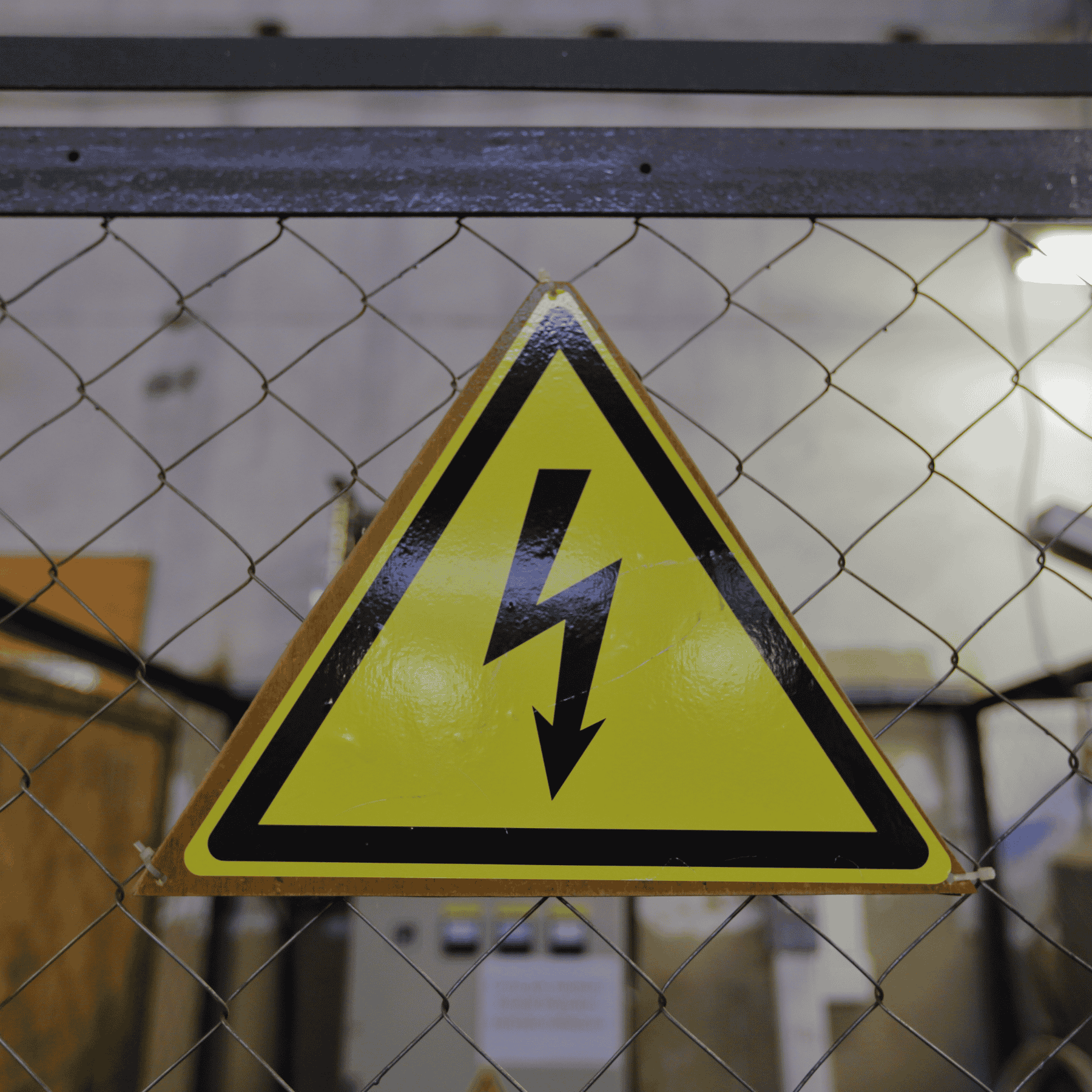
Managing electrical risks in the workplace is essential for protecting workers, preventing serious incidents, and meeting obligations under Australia’s Work Health and Safety (WHS) legislation. Electricity is an essential part of almost every workplace, but it also presents one of the highest-risk hazards. Electric shock, burns, arc flash incidents, fires, and explosions can all result from poorly managed electrical risks. Even low-voltage electricity can cause serious injury or death.
The Code of Practice – Managing Electrical Risks in the Workplace provides practical guidance to help businesses meet their obligations under the WHS Act and WHS Regulation. It applies to any workplace where electrical equipment is used or where electrical work is carried out.
Understanding Electrical Risks in the Workplace
The primary responsibility for managing electrical risks in the workplace sits with the Person Conducting a Business or Undertaking (PCBU). PCBUs must ensure, so far as is reasonably practicable, that workers and others are not exposed to electrical risks.
This includes ensuring that:
- Electrical equipment is safe to use.
- Electrical installations are maintained in a safe condition.
- Electrical risks are identified and controlled.
- Workers receive appropriate information, instruction, training, and supervision.
- Contractors are competent and follow safe work practices.
Workers also have responsibilities to:
- Take reasonable care for their own health and safety.
- Follow workplace procedures.
- Correctly use electrical equipment.
- Report damaged or unsafe equipment immediately.
Identifying Electrical Risks in the Workplace
Effectively managing electrical risks in the workplace begins with identifying hazards. Electrical hazards are not limited to electricians. Every workplace should consider hazards such as:
- Damaged electrical leads and extension cords.
- Faulty appliances and portable equipment.
- Overloaded power boards.
- Exposed live parts.
- Wet or damp environments.
- Work near overhead or underground power lines.
- Electrical equipment used outdoors or in harsh environments.
- Temporary electrical installations.
- Inadequate maintenance or testing.
Regular inspections help businesses identify electrical risks in the workplace before they result in injury or property damage.
Managing Electrical Risks in the Workplace
Like all WHS hazards, managing electrical risks in the workplace should follow the hierarchy of control.
Where reasonably practicable, businesses should:
- Eliminate the electrical hazard.
- Isolate electrical energy before work begins.
- Substitute unsafe equipment.
- Install engineering controls such as Residual Current Devices (RCDs).
- Implement safe systems of work.
- Provide appropriate training and supervision.
- Use personal protective equipment (PPE) where required.
Administrative controls and PPE should never be relied upon as the only control where higher-level controls are reasonably practicable.
Working De-Energised to Reduce Electrical Risks in the Workplace
One of the key principles of the Code is that electrical work should not be performed on energised electrical equipment unless strict legal exceptions apply.
Before electrical work commences, businesses should ensure the equipment is:
- Switched off.
- Isolated from all energy sources.
- Locked or secured against reconnection.
- Tested to verify it is de-energised before work starts.
Testing for dead is a critical step—workers should never assume equipment is isolated. Following these procedures significantly reduces electrical risks in the workplace.
Inspection, Testing and Maintenance
Routine inspection and maintenance are critical components of managing electrical risks in the workplace.
Inspection frequency should be based on:
- The type of workplace.
- The environment.
- The likelihood of damage.
- Manufacturer recommendations.
- Previous inspection results.
Higher-risk workplaces, such as construction, manufacturing, workshops, and outdoor environments, often require formal inspection, testing, and tagging of portable electrical equipment.
Residual Current Devices (RCDs)
The Code places significant emphasis on using Residual Current Devices (RCDs), commonly known as safety switches.
RCDs provide additional protection by rapidly disconnecting power if an electrical fault occurs.
They should be regularly tested in accordance with manufacturer instructions and workplace procedures to confirm they remain operational.
Using properly maintained RCDs is one of the most effective ways of managing electrical risks in the workplace.
Safe Work Procedures for Electrical Risks in the Workplace
Businesses should develop documented procedures for activities involving electrical risks, including:
- Using portable electrical equipment.
- Isolating electrical energy.
- Reporting damaged equipment.
- Lock-out and tag-out processes.
- Working near power lines.
- Emergency response following electrical incidents.
These procedures should be supported by worker training and regular supervision.
Emergency Planning for Electrical Risks in the Workplace
TThe Code expects businesses to prepare for electrical emergencies.
Emergency arrangements should include:
- Immediate isolation of power where safe.
- First aid for electric shock.
- Access to trained first aiders.
- Availability of an Automated External Defibrillator (AED), where appropriate following a first aid risk assessment.
- Emergency contact procedures.
- Incident reporting and investigation.
Workers should never touch a person still in contact with a live electrical source until the electricity has been isolated.
Consultation and Documentation for Electrical Risks in the Workplace
PCBUs must consult with workers when identifying electrical hazards and implementing control measures.
Workers often identify damaged equipment, unsafe practices, and changing workplace conditions before management does.
Regular workplace inspections, toolbox talks, and hazard reporting systems all contribute to effective consultation.
Businesses should also maintain records demonstrating they are actively managing electrical risks in the workplace, including:
- Electrical risk assessments.
- Inspection and maintenance records.
- Test and tag records (where required).
- RCD testing records.
- Electrical installation inspections.
- Training records.
- Safe work procedures.
- Incident investigations.
- Corrective actions.
These records provide evidence that electrical risks in the workplace are being managed systematically.
For comprehensive guidance on managing electrical hazards, businesses should refer to the Australian Government’s Model Code of Practice – Managing Electrical Risks in the Workplace. The Code provides practical information to help PCBUs meet their WHS obligations and implement effective control measures.
Key Takeaways on Managing Electrical Risks in the Workplace
Managing electrical risks in the workplace is about much more than complying with legislation—it is about preventing serious injuries and fatalities.
The Code of Practice provides practical guidance for businesses to identify hazards, eliminate or minimise risks, maintain equipment, train workers, and continually monitor electrical safety.
For most businesses, compliance comes down to five simple questions:
- Have we identified our electrical hazards?
- Is our equipment safe and properly maintained?
- Do workers know how to work safely around electricity?
- Do we have procedures for isolating electrical hazards and responding to emergencies?
- Can we demonstrate, through records and inspections, that we are actively managing electrical risks?
Answering “yes” to these questions places a business in a much stronger position to protect workers, comply with WHS duties, and reduce the likelihood of a serious electrical incident.
If your organisation needs support with managing electrical risks in the workplace, workplace safety, or WHS compliance, contact CHD Partners to learn how our experienced team can help you build a safer, more compliant workplace.
