

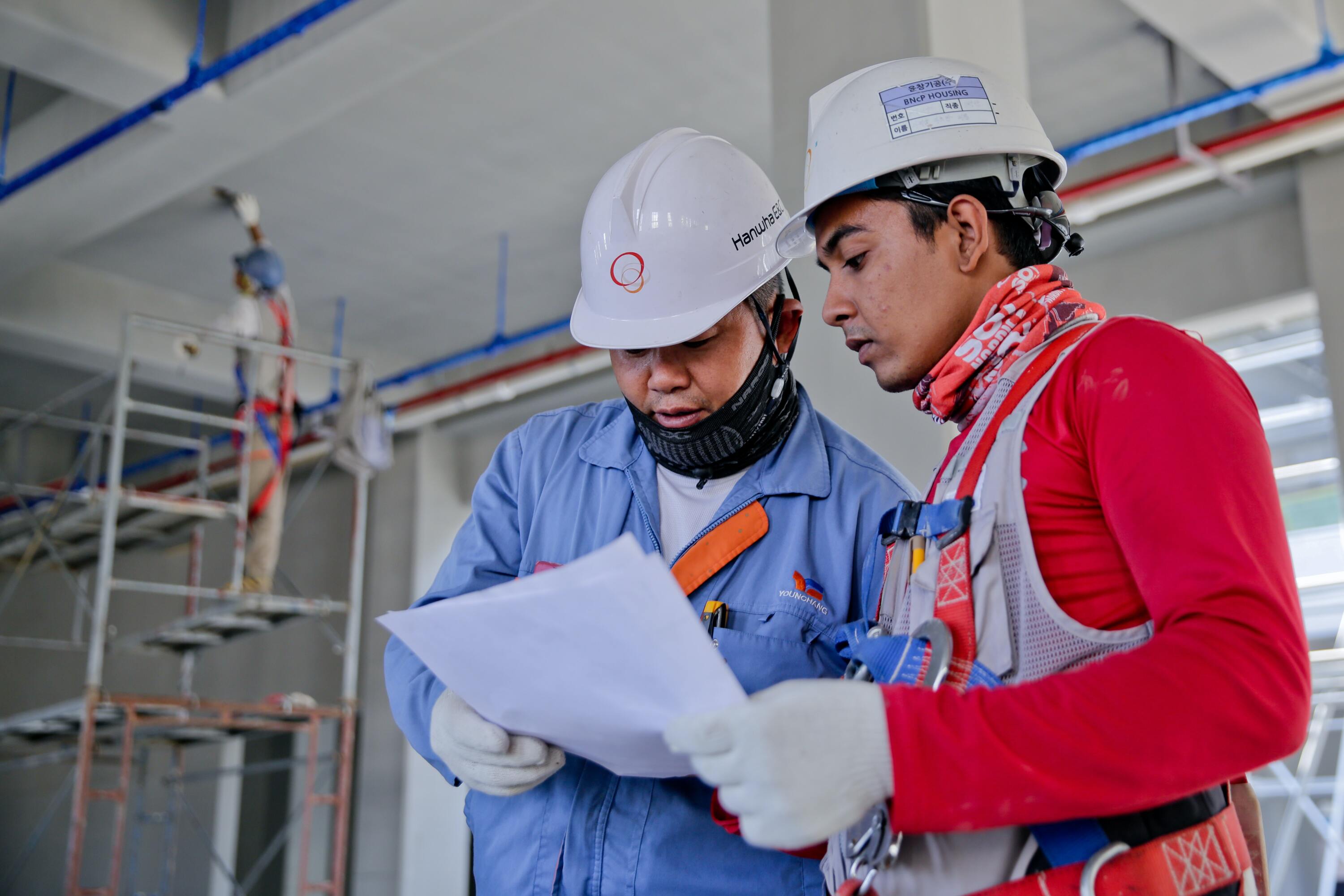
Working at heights harness inspection is a critical requirement for preventing falls, injuries, and fatalities in Australian workplaces. According to Safe Work Australia, falls from ladders, roofs, platforms, trucks, and mezzanines remain a leading cause of serious harm across construction, maintenance, warehousing, and other industries.
One of the most effective ways to reduce these risks is by ensuring that all fall-arrest and restraint equipment—especially harnesses—is safe, compliant, and regularly inspected. For small and medium-sized businesses, implementing a structured inspection and testing process doesn’t need to be complicated. It protects workers, reduces downtime, and ensures alignment with the WHS Act 2011 and the Managing the Risk of Falls at Workplaces Code of Practice.
Why Working at Heights Harness Inspection Matters
1. Harnesses degrade over time
EHarnesses are constantly exposed to UV light, moisture, contaminants, chemicals, and general wear. Webbing, stitching, buckles, and D-rings weaken faster than expected in harsh working conditions.
A quick pre-use working at heights harness inspection can detect:
- Frayed, cut, or burned webbing
- Damaged or broken stitching
- Rusted or distorted hardware
- Loose or faulty buckles
- Chemical contamination such as oil, paint, or concrete
Detecting these issues early prevents accidents before they occur.
2. Harness failure can lead to catastrophic outcomes
If a fall occurs and the harness or lanyard fails, the consequences can be life-threatening. Safe Work Australia requires fall-arrest systems to withstand the significant forces generated during a fall.
A damaged or poorly maintained harness cannot do its job.
3. Working at heights harness inspection is a WHS legal requirement
Under the WHS Act and Regulations, PCBUs must ensure all equipment used for working at heights is:
- Properly selected
- Correctly used
- Regularly inspected
- Maintained by a competent person
Failure to comply may result in serious penalties.
4. Protecting lone workers and contractors
SMEs often rely on contractors or solo workers performing tasks at height. This makes harness inspection even more important because:
- No other worker may be present to identify unsafe equipment
- Contractors may use harnesses that are overdue for inspection
A simple verification step—checking tags, inspection dates, and overall condition—keeps everyone safe.
Safe Work Australia Requirements for Working at Heights Harness Inspection
Safe Work Australia provides clear expectations for harness inspection and testing. While manufacturers may specify exact intervals, the general principles are consistent:
1. Pre-use checks must occur every time
Workers should visually check:
- Cuts, frays, burns, or chemical damage
- D-rings, buckles, and hardware for deformation
- Legible labels and inspection tags
- Any signs of unauthorised repairs or alterations
These checks take just 1–2 minutes.
2. Competent person inspections must be documented
Most manufacturers recommend a 6-monthly working at heights harness inspection, though high-risk environments may require more frequent checks.
A competent person should:
- Inspect using a detailed checklist
- Record findings in an equipment register
- Remove or tag out damaged items
- Confirm equipment remains suitable for use
This creates a clear record of WHS compliance.
3. Harnesses involved in a fall must be withdrawn
Any harness that has arrested a fall must be:
- Removed from service immediately
- Destroyed or
- Sent for specialist evaluation
It cannot be reused unless cleared by a qualified inspector according to manufacturer instructions.
SME Checklist for Working at Heights Harness Inspection
Below are simple, low-cost steps small and medium businesses can implement today:
1. Maintain a Height Safety Equipment Register
Record:
- Purchase dates
- Serial numbers
- Inspection history
- Next due inspection
- Condition notes
- Responsible person
Example:
“Harness #3 — Purchased 2024, next inspection due January 2025.”
2. Introduce a Pre-Use Inspection Checklist
Keep laminated checklists near storage areas that cover:
- Stitching
- Webbing
- Buckles and hardware
- Labels and tags
- Lanyard integrity
3. Train Workers in Proper Inspection Techniques
Simple toolbox talks can greatly improve safety.
Example training outcome:
“Workers can identify five common signs of damage and know when to tag out a harness.”
4. Store Harnesses Correctly
PExtend harness lifespan by protecting equipment from:
- Harsh sunlight
- Chemicals
- Sharp edges
- Damp or dirty areas
A clean, sealed storage cabinet can make a significant difference.
5. Use Colour-Coded Tags or Indicator Loops
Implement a simple tagging method:
- Green = Safe
- Yellow = Inspection due soon
- Red = Do not use
Supervisors can instantly confirm status at a glance.
A Strong Safety Message for Workers
A harness is not just another piece of equipment—it is life-saving PPE. Regular working at heights harness inspection ensures that every worker returns home safely. Businesses that prioritise height safety demonstrate responsibility, professionalism, and compliance with Safe Work Australia’s expectations.
Conclusion
Conducting a proper working at heights harness inspection is not just a WHS requirement — it’s a lifesaving practice that protects workers, prevents fall-related injuries, and ensures compliance across Australian worksites. By following a structured inspection process, understanding the AS/NZS standards, keeping thorough records, and ensuring workers are trained and competent, organisations can significantly reduce risk and improve safety performance.
If your team needs expert guidance, WHS consultancy, or customised working-at-heights training, our specialists are ready to help. Reach out to CHD Partners through our contact page: https://www.chdpartners.com.au/contact-us/
