

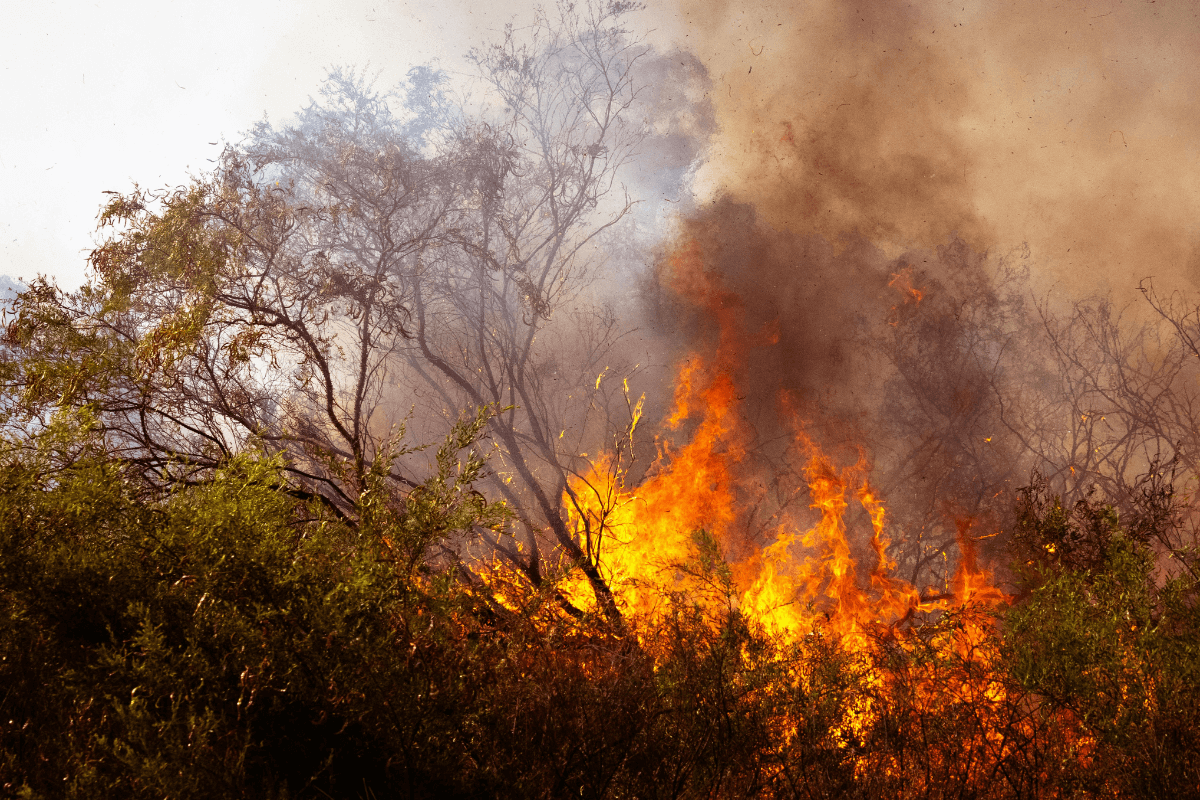
Summer emergency preparedness is essential for Australian businesses as the warmer months bring increased environmental risks. While summer delivers longer days and higher productivity, it also introduces bushfires, smoke haze, severe storms and extreme heat that must be managed under work health and safety (WHS) requirements.
These hazards are predictable and foreseeable, which means they must be addressed in your WHS planning. For many small to medium businesses, the challenge is knowing where to start. The good news is that effective summer emergency preparedness does not need to be complicated. A few practical steps can significantly reduce risk and protect workers, customers and business operations.
Review Your Emergency Plans
A strong foundation for summer emergency preparedness begins with reviewing your emergency procedures. This should include:
- evacuation plans
- communication protocols
- who is responsible for what during an emergency
- how information will be shared with workers in real time
Emergency plans must be clear, accessible and regularly practiced. If your team has not completed an emergency drill this year, now is the time.
Well-communicated procedures reduce stress, confusion and panic during emergency situations and are particularly important for protecting workers’ psychological health.
Monitor Bushfire Risk, Fire Danger and Air Quality
Ongoing monitoring is a critical part of summer emergency preparedness. Businesses should include the following checks in their daily WHS processes:
- Bureau of Meteorology heatwave and storm warnings
- NSW Rural Fire Service Fire Danger Ratings
- Air Quality Index (AQI)
Depending on conditions, businesses may need to:
- Relocate staff
- Modify or stop outdoor work
- Provide P2 masks
- Allow remote or indoor work where appropriate
Monitoring environmental conditions daily allows businesses to respond early and reduce exposure to escalating risks.
Prepare Workers for Extreme Storms and Heatwaves
StExtreme heat, heatwaves and sudden storms can occur with little warning during the Australian summer. Workers should clearly understand:
- Where to shelter during storms
- How to secure outdoor equipment
- Who to contact during an emergency
- When outdoor work must stop or be rescheduled
- How to recognise heat illness symptoms such as dizziness, confusion, nausea and fainting
Effective controls for heat and storm risk may include:
- Increased rest breaks
- Access to cool drinking water
- Shade structures
- Adjusting work hours to early morning or late afternoon
These measures are essential components of summer emergency preparedness and extreme heat workplace safety.
Linking Summer Emergency Preparedness to WHS Duties
Under the WHS Regulations, businesses are legally required to identify reasonably foreseeable hazards and implement appropriate controls. Environmental hazards such as bushfires, smoke, storms and extreme heat are entirely foreseeable during an Australian summer.
This makes summer emergency preparedness a legal obligation, not an optional extra.
Early planning and clear communication protect both physical safety and psychological wellbeing. Workers feel more confident and supported when leadership demonstrates preparedness and commitment to safety.
How to Manage Summer Risk Controls in Your WHS System Using CIRT
For businesses using CIRT (Compliance, Induction, Reporting & Training), managing these summer hazards is simple and structured. CIRT allows you to integrate your risk controls into your everyday WHS system, ensuring they are recorded, monitored and reviewed.
Here’s how businesses can use CIRT to strengthen summer emergency preparedness:
1. Add seasonal hazards to your Risk Register
IInclude summer-related hazards such as:
- Bushfire smoke exposure
- Extreme heat and heat stress
- Summer storms
- Poor air quality
- UV exposure
Recording these hazards formally ensures summer risks are recognised and assessed.
2. Record control measures directly into CIRT
Examples of summer emergency preparedness controls include:
- Adjusting work hours to avoid peak heat
- Daily weather and fire danger checks
- Shade and hydration provisions
- Heat illness awareness training
- Storm shelter procedures
- Air quality thresholds for stopping outdoor work
CIRT allows controls to be assigned to responsible persons, ensuring accountability.
3. Use CIRT’s Task System to automate reminders
SSet up recurring tasks for:
- Daily UV and weather monitoring
- Pre-summer emergency plan reviews
- Heat stress toolbox talks
- PPE and equipment inspections
- Incident reporting reminders
Automation supports consistent summer emergency preparedness across all work sites.
4. Record training and emergency drills
CIRT can be used to document:
- Evacuations
- Shelter-in-place exercises
- Emergency communication training
- Heat illness awareness sessions
This provides clear evidence of WHS compliance and strengthens safety culture.
5. Track incidents and near misses
If an incident occurs—such as heat illness, smoke exposure or storm damage—record it in CIRT. Reviewing these incidents supports continuous improvement in summer emergency preparedness controls.
Supporting Australian Businesses with Summer Emergency Preparedness
At CHD Partners, we support businesses across Australia to build strong WHS systems, effective emergency procedures and confident safety leadership. Strong summer emergency preparedness protects workers, supports compliance and helps businesses continue operating safely throughout the Australian summer.
If you need assistance preparing for seasonal hazards or integrating controls into CIRT, our team is here to help.
