

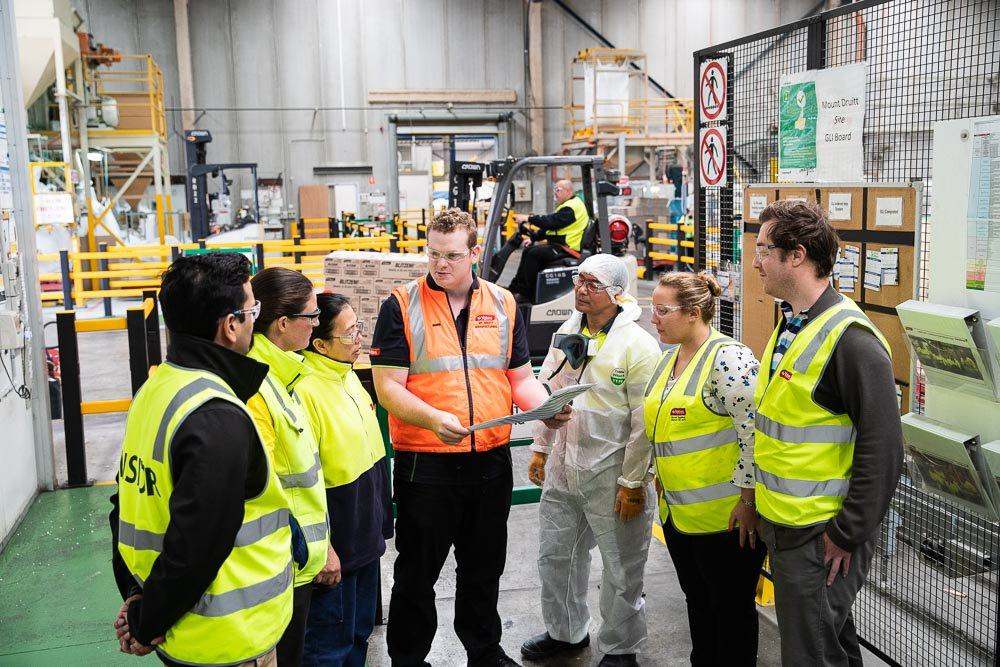
Practical Leadership is about more than making sure the work gets done. It means helping employees understand their responsibilities, feel supported, work safely, and have the confidence to raise concerns.
Every workplace relies on supervisors and managers to keep operations running smoothly. They coordinate tasks, manage people, solve problems, and help businesses achieve their goals.
However, effective supervision involves more than productivity, meeting deadlines, or checking that employees are doing their jobs. It requires clear communication, consistent decision-making, and a genuine commitment to employee wellbeing.
For small and medium-sized businesses, supervisors play a particularly important role. They often act as the link between business owners, management, and frontline workers.
The challenge is that many supervisors are promoted because they are good at their jobs, not necessarily because they have been taught how to lead people.
Developing practical leadership skills helps supervisors manage these responsibilities with greater confidence while contributing to a safer, more productive workplace.
So, what does it mean to lead with purpose and supervise with confidence?
1. Practical Leadership Starts with Understanding Your Purpose as a Supervisorvv
Good practical leadership starts with understanding why your role matters.
A supervisor’s responsibility is not simply to tell people what to do. It is to help employees perform their work safely, effectively, and confidently.
This means:
- Setting clear expectations and explaining why tasks matter.
- Providing appropriate instruction, training, and supervision.
- Identifying hazards and addressing workplace concerns.
- Encouraging employees to contribute ideas and improvements.
- Recognising good performance and addressing issues early.
- Leading by example through everyday actions.
Practical example: Rather than telling an employee to wear their personal protective equipment because it is company policy, explain the risks associated with the task and how the equipment helps protect them.
When employees understand the reasons behind workplace requirements, they are more likely to recognise their importance.
Effective practical leadership helps supervisors communicate expectations clearly, make informed decisions, and establish a strong foundation for team performance.
2. Practical Leadership Means Being Present, Visible and Approachable
One of the most effective ways to demonstrate practical leadership is to spend time with your team.
Supervision should not happen only from behind a desk, through emails, or when something goes wrong.
Regular workplace conversations and observations allow supervisors to understand how work is actually being performed.
A supervisor who is regularly present can identify:
- Unsafe work practices before an incident occurs.
- Employees who may need additional support or training.
- Equipment or workplace conditions creating difficulties.
- Changes in workload, fatigue, or workplace pressures.
- Opportunities to recognise employees doing things well.
Practical example: During a daily workplace walk, ask an employee:
“What is making your job harder than it needs to be today?”
That simple question may uncover an equipment problem, an unclear instruction, an excessive workload, or a safety concern that would otherwise go unreported.
Being approachable does not mean avoiding difficult conversations. It means creating an environment where employees feel comfortable speaking up before problems escalate.
For supervisors and managers, regular engagement also provides opportunities to identify risks, understand employee concerns, and make informed decisions.
3. Practical Leadership Requires Clear Communication and Active Listening
Clear communication is one of the foundations of practical leadership.
Employees need to understand what is expected of them, how tasks should be performed, and who they can approach when they need assistance.
However, communication should never be one-way.
Supervisors also need to listen to employee feedback, clarify misunderstandings, and consider the experiences of the people performing the work.
Under Australian work health and safety legislation, businesses have duties to consult workers on matters that affect their health and safety. Supervisors often play an important role in supporting this consultation.
Practical ways to improve workplace communication include:
- Conducting regular toolbox talks and pre-start meetings.
- Holding individual conversations with employees.
- Providing clear instructions when tasks or procedures change.
- Encouraging workers to report hazards and raise concerns.
- Giving employees reasonable opportunities to provide feedback.
- Confirming that employees understand important instructions.
Practical example: Before introducing a new work procedure, ask employees who perform the task to review the proposed changes.
They may identify practical issues that management has overlooked.
Importantly, consultation is not simply telling workers what has already been decided. It involves sharing relevant information, providing a reasonable opportunity to express views, and considering those views before making decisions.
By communicating clearly and listening actively, supervisors can build trust, improve cooperation, and help employees feel more involved in workplace decisions.
For additional guidance, visit SafeWork NSW’s official workplace health and safety resources.
4. Practical Leadership Includes Recognising Good Performance
MMany supervisors become involved in employee performance only when something goes wrong.
An employee makes a mistake, fails to follow a procedure, or does not meet an expectation.
While these issues need to be addressed, effective practical leadership also involves recognising employees who demonstrate positive behaviours.
Recognition helps reinforce the standards and behaviours a business wants to encourage.
For example:
- An employee identifies a hazard and reports it.
- A worker assists a colleague with a difficult task.
- A team member suggests a safer way of completing work.
- An employee consistently follows workplace procedures.
- A worker raises a concern before it becomes a more significant problem.
A simple conversation recognising these actions can have a meaningful impact.
Practical example:
“I noticed you stopped the job to check the equipment before continuing. That was the right decision and exactly the approach we want everyone to take.”
Positive feedback does not need to be complicated. It needs to be genuine, timely, and specific.
When supervisors acknowledge good performance, employees receive a clearer understanding of what the business values. This can encourage accountability, reinforce safe work practices, and contribute to a more positive workplace culture.
5. Practical Leadership Involves Addressing Concerns Early and Respectfully
Practical leadership also means having difficult conversations when necessary.
Supervisors sometimes avoid these conversations because they are uncomfortable or unsure how to approach them.
Unfortunately, leaving concerns unresolved can create bigger problems.
Whether the issue involves unsafe behaviour, performance, workplace conflict, or an employee struggling with their responsibilities, early intervention is important.
A practical approach is to:
- Identify the concern. Gather relevant facts and understand what has happened.
- Arrange a private conversation. Choose a suitable time and location.
- Explain the issue clearly. Use specific observations rather than assumptions.
- Listen to the employee. Give them an opportunity to explain their perspective.
- Agree on appropriate actions. Clarify expectations, support, and any necessary changes.
- Document and follow up. Record the conversation where appropriate and check whether the agreed actions have been completed.
Practical example: If an employee repeatedly fails to complete a safety checklist, avoid immediately assuming they are deliberately ignoring the procedure.
Ask whether they understand the requirement, have received appropriate training, and have sufficient time and resources to complete it.
The issue may involve a lack of understanding, an unrealistic workload, or an ineffective process.
Addressing the underlying cause is often more effective than simply telling someone to do better.
For formal performance or disciplinary matters, supervisors should follow workplace procedures and applicable Fair Work requirements.
By addressing concerns early and respectfully, supervisors can resolve issues more effectively while maintaining professional working relationships.
6. Practical Leadership Supports Workplace Health and Safety
Workplace health and safety is an essential part of practical leadership in Australian businesses.
Under the Work Health and Safety Act 2011 (NSW), a person conducting a business or undertaking (PCBU) has a primary duty to ensure, so far as is reasonably practicable, the health and safety of workers and others.
Supervisors help their organisations meet workplace health and safety responsibilities through everyday decisions and actions.
This includes helping ensure workers have appropriate information, training, instruction, and supervision, as well as escalating hazards that cannot be addressed within their authority.
Importantly, workplace health and safety includes both physical and psychological health.
Potential hazards may include:
- Unsafe equipment and machinery.
- Manual handling risks and falls.
- Exposure to hazardous substances.
- Excessive job demands and unreasonable workloads.
- Inadequate workplace support.
- Bullying and inappropriate workplace behaviour.
- Unclear responsibilities and conflicting expectations.
- Exposure to traumatic events.
Supervisors do not need to have every answer.
They do need to recognise when something is wrong, take appropriate action within their responsibilities, and seek assistance when required.
The SafeWork NSW website provides guidance on workplace health and safety, including managing psychosocial hazards.
Supervisors can use this guidance to better understand their role in identifying hazards, consulting workers, implementing appropriate controls, and reviewing whether those controls are effective.
A supervisor who listens, observes, and acts early can make a significant difference to workplace safety and employee wellbeing.
7. Developing Practical Leadership Skills Through Consistent ActionsConfidence in supervision does not come from knowing everything.
It comes from understanding your responsibilities, following consistent processes, and knowing when to ask for support.
A confident supervisor can explain expectations, have respectful conversations, recognise risks, make decisions within their authority, and escalate concerns appropriately.
Practical leadership is demonstrated through consistent actions, not simply through a job title.
Supervisors who approach their responsibilities consistently help establish clearer expectations and encourage accountability across their teams.
Five Simple Practical Leadership Habits for Every Supervisor
Use this checklist throughout the working week.
1. Start the day with clear expectations.
Make sure your team understands its priorities, responsibilities, and any relevant safety requirements.
2. Spend time observing work and speaking with employees.
Look for potential hazards, operational difficulties, and opportunities to provide support.
3. Recognise at least one example of good performance.
Acknowledge employees who demonstrate positive behaviours or contribute to workplace improvements.
4. Address concerns promptly and respectfully.
Avoid allowing small issues to develop into more significant problems.
5. Record important observations, actions, and follow-ups.
Maintain appropriate records to support accountability and help ensure important actions are completed.
These actions may seem simple, but when practised consistently, they help build trust, accountability, and a stronger workplace culture.
8. Supporting Practical Leadership Through CIRT
At CHD Partners, we recognise that supervisors in small and medium-sized businesses are often managing competing responsibilities.
They need practical tools that make supervision easier rather than creating additional paperwork.
The CIRT online management system supports supervisors and managers through tools designed to assist with everyday workplace responsibilities.
These include:
- Supervisor Safety Walks: Observe workplace conditions, identify hazards, and document actions.
- Employee Observations: Recognise and record positive and concerning workplace behaviours.
- Employee Conversations: Document discussions, agreed actions, and follow-up requirements.
- Toolbox Talks and Consultation: Communicate important information and involve employees in workplace decisions.
- SCAN / Take 5: Encourage employees to assess risks before commencing tasks.
- Incident and Hazard Reporting: Record concerns, assign actions, and monitor improvements.
- Monthly Tasks: Help supervisors maintain regular workplace safety and compliance activities.
These tools can support supervisors in applying practical leadership principles consistently while helping businesses maintain appropriate records of workplace activities.
The objective is not to turn supervisors into administrators.
It is to give them the tools, guidance, and confidence to lead their teams effectively while maintaining appropriate records of the actions they take.
Conclusion: Practical Leadership Happens Every Day
You do not need a management title, a lengthy meeting, or a complicated leadership program to make a positive difference in the workplace.
Practical leadership happens through everyday actions.
It happens when a supervisor takes the time to listen, recognises someone doing the right thing, addresses a concern before it becomes a problem, or helps an employee understand how to work more safely.
For business owners, investing in supervisors is an investment in the people who influence workplace culture, safety, and performance every day.
For supervisors, the message is simple:
Lead with purpose. Be present. Listen to your people. Act consistently. And supervise with confidence.
How CHD Partners Can Help
CHD Partners supports Australian businesses in strengthening workplace leadership, supervision, and work health and safety through practical guidance, training, and the CIRT online management system.
Our approach is designed for small and medium-sized businesses that want to build capable supervisors, support their employees, and demonstrate effective workplace management without unnecessary complexity.
Looking to strengthen supervision and workplace management in your business?
Contact CHD Partners to learn more about our practical solutions for workplace safety, leadership, and compliance.
