

Managing first aid in the workplace is not only a legal obligation but also a critical aspect of safeguarding your employees’ health and safety. A proactive approach to first aid can save lives, reduce the severity of injuries, and create a safer work environment.
Whether your workplace is a bustling construction site or a quiet office, following these eight steps will ensure you are prepared to handle emergencies effectively.
1. Develop a Comprehensive Emergency Plan
A well-designed strategy is the cornerstone of workplace safety. Define clear objectives for keeping employees safe and meeting compliance standards. Tailor the approach to your organisation’s specific needs and risks for maximum effectiveness.
2. Conduct a Workplace Safety Assessment
TIdentify the safety requirements of your workplace through a detailed risk assessment. Consider:
- The nature of work performed.
- Workforce size and structure.
- Hazards such as equipment, chemicals, or high-risk tasks.
This evaluation guides decisions on necessary emergency equipment, medical facilities, and training needs. For instance, construction sites may require specialised gear, whereas office spaces might need a simpler setup.
3. Maintain Accessible and Fully Stocked Emergency Kits
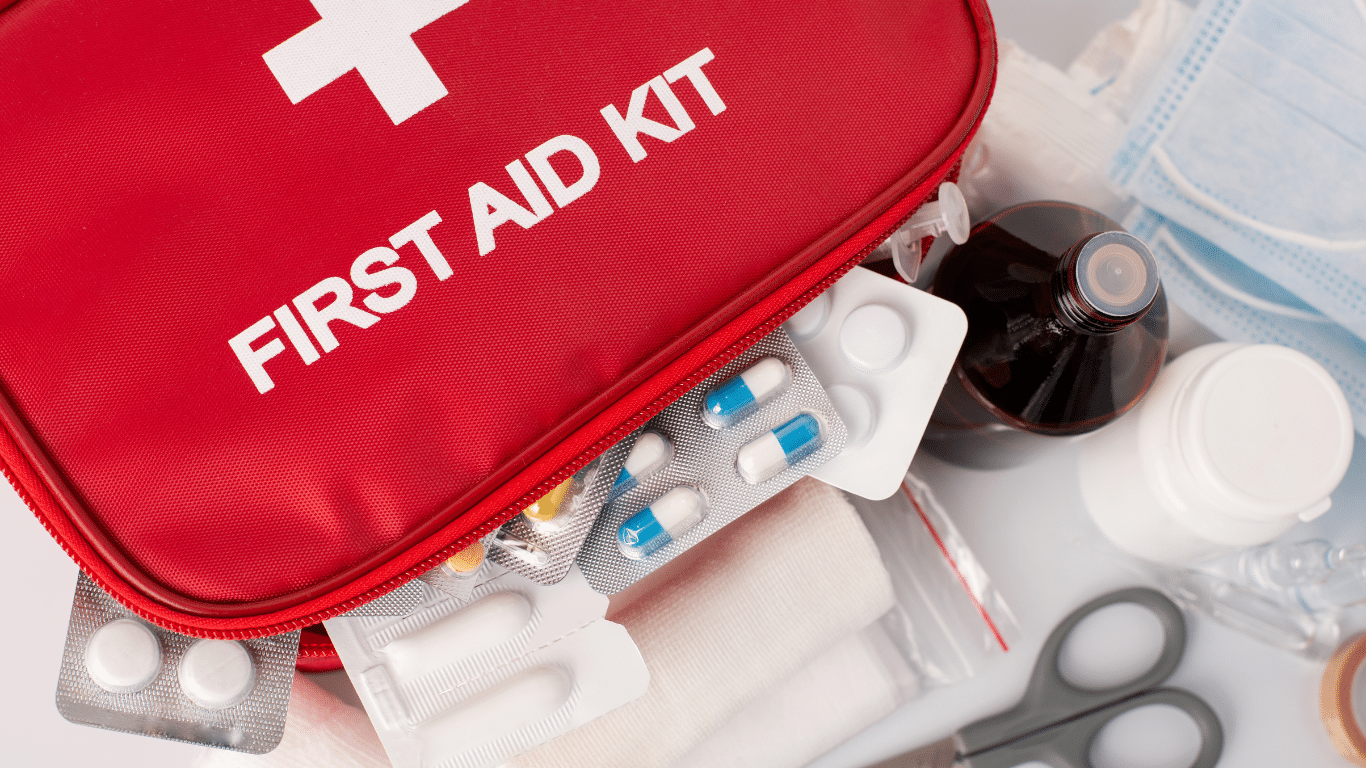
Ensure that your workplace has first aid kits in easily accessible locations. The contents of these kits should be appropriate for the identified risks in your risk assessment. Items may include bandages, antiseptic wipes, sterile gloves, and CPR masks.
Establish a routine for regularly inspecting and replenishing your first aid supplies. A kit that is not well-stocked may hinder an effective response during emergencies.
4. Provide Suitable Medical Facilities
Depending on the size and nature of your workplace, you may need to provide more than just a first aid kit. Larger workplaces or those with higher risks should consider setting up a first aid room equipped with a treatment bed, running water, and additional supplies.
For smaller businesses, a clearly marked first aid station can suffice. Ensure that these facilities are easy to locate and accessible to all employees.
5. Invest in Employee Training
First aid training is a legal requirement in Australia under the Work Health and Safety Act. Ensure that a sufficient number of employees are trained to respond effectively in emergencies.
Initial training should be comprehensive, covering essential first aid techniques such as CPR, managing bleeding, and handling fractures. Schedule regular refresher courses to keep skills up-to-date. Training should also be tailored to address specific risks identified in your workplace.
6. Communicate Procedures Clearly
Clear and simple procedures are essential for managing emergencies effectively. Develop a step-by-step guide that outlines:
- How to respond to common injuries or illnesses in your workplace.
- How to contact first aid officers and emergency services.
- The location of first aid kits and facilities.
Display these procedures prominently around the workplace, particularly in high-traffic areas like break rooms and near first aid stations.
7. Document All Incidents and Responses
Maintain detailed records of all first aid treatments and workplace incidents. This documentation serves multiple purposes:
- It helps you comply with workplace health and safety regulations.
- It provides valuable insights into recurring incidents, enabling you to improve your first aid strategy.
- It ensures accountability and transparency in how emergencies are handled.
Keep these records secure and accessible only to authorised personnel.
8. Review and Adapt Your Strategy Regularly
Workplace conditions and risks can change over time, so your first aid strategy should not remain static. Regularly review your arrangements to ensure they remain effective and compliant with regulations.
Seek feedback from employees and use incident reports to identify areas for improvement. Update your risk assessment periodically and adjust your first aid provisions accordingly.
Prioritising Workplace Health and Safety
A safe environment benefits both employees and the organisation. By implementing these steps, you ensure your team is prepared to manage emergencies effectively. Remember to adapt your processes to the unique needs of your business.
For more detailed information, visit Safe Work Australia.
Take Action for a Safer Workplace Today
Is your workplace prepared to handle emergencies effectively? Start by assessing your needs and equipping your team with the right tools and training. For expert advice and tailored solutions, contact us at CHD Partners and let’s create a safer environment together.
