

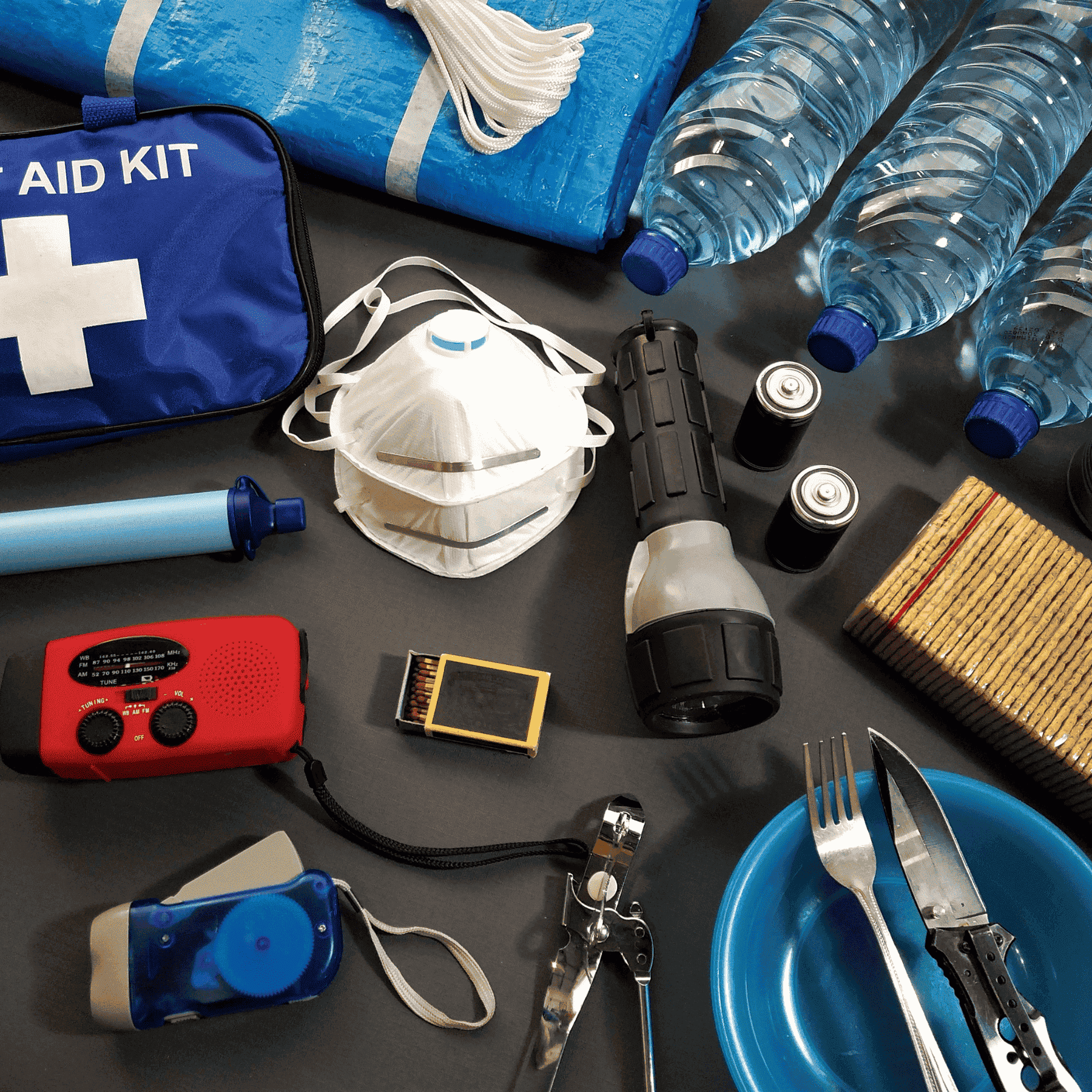
First aid kit inspection is one of the simplest yet most important workplace safety activities any organisation can undertake. During a workplace emergency, there is rarely time to search for missing supplies, replace expired items, or discover that an Automated External Defibrillator (AED) is not operational. Regular inspections help ensure first aid equipment is fully stocked, compliant, and ready to respond when every second counts. By making first aid kit inspections and AED inspections part of your workplace safety program, you can improve emergency preparedness, strengthen compliance, and help protect the health and safety of your workers.
Why Inspections Matter
When a workplace emergency happens, there is rarely time to search for missing equipment, replace expired supplies or troubleshoot a defibrillator that isn’t working.
First aid kits and Automated External Defibrillators (AEDs) are only effective if they are ready to use when they are needed. Regular first aid kit inspections and AED inspections are among the simplest but most important workplace safety activities. They help ensure equipment is available, operational, and compliant with Australian work health and safety requirements.
For many organisations, these inspections are often overlooked until after an incident, during an audit, or when a regulator asks for evidence. By then, it may be too late.
Every workplace has a duty to provide adequate first aid facilities based on the nature of its work, the hazards present, and the number of workers.
Providing equipment is only the first step. Businesses must also ensure that the equipment remains fit for purpose.
Regular inspections help organisations to:
- Confirm first aid kits are fully stocked.
- Replace expired medications and sterile items.
- Ensure equipment has not been damaged or contaminated.
- Verify AEDs are operational and ready for use.
- Check batteries and electrode pads are within their expiry dates.
- Confirm emergency signage remains visible.
- Demonstrate compliance during audits or regulatory inspections.
- Give workers confidence that emergency equipment will work when needed.
First Aid Kit Inspection Checklist
First aid kits gradually become depleted through normal workplace use. Supplies may also expire without anyone noticing.
A regular first aid kit inspection helps identify missing supplies, expired sterile products, damaged equipment, and other issues before they become a risk during an emergency. Routine inspections are an essential part of workplace first aid and help organisations maintain compliance while ensuring emergency equipment remains ready for immediate use.
A routine inspection should include checking:
- The kit is located where it should be.
- The kit is clean and accessible.
- All required items are present.
- Sterile products have not expired.
- Gloves and personal protective equipment are available.
- Scissors, tweezers, and other equipment are in good condition.
- Used items are replaced promptly.
- Inspection records are completed.
The contents of the kit should also match the workplace risks. For example, construction sites, manufacturing facilities, healthcare environments, warehouses, and offices often require different equipment based on their specific hazards.
AED Inspection and Defibrillator Maintenance
An Automated External Defibrillator (AED) is designed to analyse a person’s heart rhythm and, where appropriate, deliver a life-saving shock during sudden cardiac arrest.
Modern AEDs perform automatic self-tests, but this does not remove the need for routine AED inspections.
A visual inspection helps confirm that the device is operational, accessible, and ready for immediate use. Replacing batteries or electrode pads before they expire is significantly less costly than discovering the device is unusable during an emergency.
Regular inspections should confirm:
- The AED status indicator shows the unit is ready.
- Batteries have not expired.
- Electrode pads are within expiry dates.
- The carrying case is complete.
- Rescue kits (razor, gloves, scissors, face shield, and towel) are present.
- The cabinet and alarm operate correctly.
- Signage remains visible.
- The device has not been damaged.
- Inspection records are maintained.
A Legal Responsibility
Under Australian work health and safety legislation, businesses must provide adequate first aid equipment and facilities.
The Safe Work Australia First Aid in the Workplace Code of Practice recommends that first aid equipment should be inspected regularly to ensure it remains complete and serviceable.
In New South Wales, the SafeWork NSW Code of Practice also recommends regular checks of first aid facilities and equipment to ensure they are maintained in good working order.
Regular documented first aid kit inspections and AED inspections help demonstrate that a business is meeting its duty to provide effective first aid arrangements while supporting ongoing workplace safety and compliance.
Common Issues Found During Inspections
Many organisations are surprised by what routine inspections uncover, including:
- Expired sterile dressings.
- Missing bandages.
- Empty glove compartments.
- Used equipment not replaced.
- AED batteries past their replacement date.
- Expired electrode pads.
- AED status lights indicating faults.
- Equipment obstructed by stored materials.
- Missing inspection records.
These issues are usually inexpensive to correct—but only if they are identified before an emergency occurs.
A consistent first aid kit inspection program helps businesses identify and resolve these issues early, reducing risk and ensuring emergency equipment is available when it is needed most.
Creating a Simple Inspection Program
An effective inspection program should:
- Assign responsibility to a nominated person.
- Schedule inspections monthly or more frequently where appropriate.
- Record findings using a checklist.
- Replace missing or expired items immediately.
- Review kit contents following any first aid incident.
- Keep inspection records for audit and compliance purposes.
An effective first aid kit inspection program should become part of every organisation’s broader workplace safety and compliance strategy. Consistent inspections improve emergency preparedness, reduce operational risk, and help ensure workers always have access to reliable first aid equipment.
Many organisations now use digital compliance systems to automate reminders, record inspections, and maintain evidence of compliance.
How CIRT Makes First Aid Kit Inspections Easier
Managing first aid kit inspections and AED inspections doesn’t have to rely on paper checklists, spreadsheets, or someone remembering to complete them each month.
CIRT helps organisations simplify first aid compliance by providing digital inspection checklists, automated reminders, and centralised records that are accessible from anywhere. Instead of manually tracking inspections, businesses can use one system to schedule recurring inspections, record findings, and maintain an accurate history of completed checks.
With CIRT, organisations can:
- Schedule recurring first aid kit inspections and AED inspections.
- Complete inspections from a mobile device, tablet, or computer.
- Record defects or missing items immediately.
- Track replacement supplies and equipment.
- Maintain an audit trail of completed inspections.
- Demonstrate compliance during audits, investigations, or regulatory inspections.
- Store inspection records securely in one central location.
By digitising inspections, businesses reduce the risk of missed checks while improving consistency, accountability, and workplace safety. Most importantly, CIRT helps ensure first aid equipment is ready when it is needed most.
Strengthening Workplace Safety Through Regular Inspections
Regular first aid kit inspections are more than a compliance requirement—they are an important part of creating a safer workplace and preparing for emergencies.
When inspections become part of everyday operations, organisations are better equipped to identify missing supplies, expired products, damaged equipment, or faults with an Automated External Defibrillator (AED) before they become a serious problem.
Routine AED inspections and first aid equipment inspections also demonstrate a proactive approach to workplace safety. They provide documented evidence that emergency equipment is maintained, readily available, and fit for purpose, giving workers confidence that critical equipment will perform when it is needed.
Consistent inspections also help organisations:
- Improve workplace emergency preparedness.
- Reduce the likelihood of equipment failures.
- Strengthen workplace health and safety compliance.
- Maintain accurate inspection records.
- Support continuous improvement initiatives.
- Build confidence among workers and visitors.
Whether your organisation operates an office, warehouse, manufacturing facility, construction site, healthcare environment, or retail business, implementing a consistent first aid kit inspection program helps reduce risk and supports a safer workplace for everyone
Final thoughts
Workplace emergencies are unpredictable.
Whether it’s a minor injury requiring a bandage or a sudden cardiac arrest requiring immediate defibrillation, the effectiveness of your emergency response depends on your equipment being available, operational, and ready for use.
A regular first aid kit inspection and AED inspection take only a few minutes each month, yet they can make a significant difference during an emergency. By routinely checking your workplace first aid equipment, replacing expired items, and maintaining inspection records, your organisation strengthens workplace safety, supports compliance, and improves emergency preparedness.
Organisations that prioritise first aid compliance understand that preparedness is about more than meeting legislative requirements—it’s about protecting people. Well-maintained first aid kits and Automated External Defibrillators (AEDs) provide peace of mind for workers, visitors, contractors, and customers, knowing that emergency equipment is available when every second counts.
If your organisation would like to strengthen its workplace safety program, improve first aid compliance, or simplify the management of first aid kit inspections and AED inspections, contact CHD Partners to learn how CIRT can help automate inspections, maintain audit-ready records, and support ongoing compliance.
Taking a few minutes each month to complete a first aid kit inspection is a small investment that can have a significant impact. By ensuring your first aid kits and defibrillators are fully stocked, maintained, and ready for use, you’re helping protect your workers, strengthening workplace safety, supporting compliance, and potentially saving a life.
