

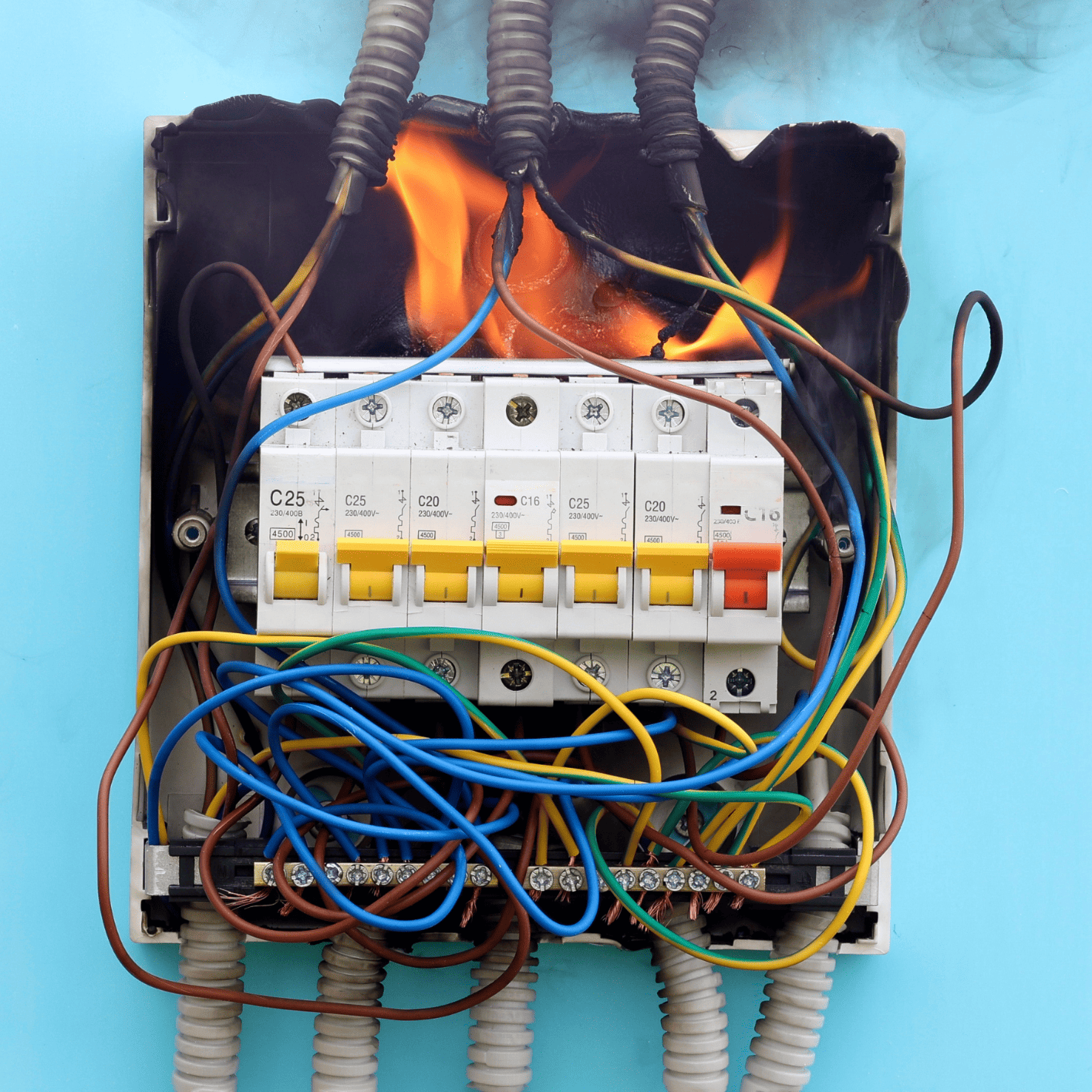
Damaged electrical equipment can present serious risks in almost every workplace. From power tools and extension leads to office equipment, kitchen appliances and battery chargers, it is easy to assume that if something still works, it is safe to use.
Unfortunately, that assumption has contributed to workplace electric shocks, fires and serious injuries.
One of the simplest ways to reduce electrical risk is to recognise when damaged electrical equipment has become unsafe and remove it from service immediately.
If You Think Electrical Equipment Is Unsafe, Stop Using It
A common mistake is continuing to use damaged electrical equipment because:
- “It still works.”
- “We’ll replace it next week.”
- “It’s only a small crack.”
- “We’ll just be careful.”
Electrical equipment does not need to completely fail before it is taken out of service. If equipment is damaged and presents a risk, it should be removed from service until it has been appropriately repaired, tested or replaced by a competent person.
Continuing to use faulty or damaged equipment can expose workers to electric shocks, burns, fires and other serious workplace hazards.
What Damage Should You Look For on Electrical Equipment?
Workers should visually inspect electrical equipment before use and report any damage or defects immediately.
Common signs of damaged electrical equipment include:
- Cuts, splits or exposed wires on power cords.
- Damaged plugs or bent pins.
- Cracked, broken or melted casings.
- Loose switches or power sockets.
- Burn marks or signs of overheating.
- Electrical tape wrapped around damaged cords.
- Missing covers or guards.
- Equipment that has been dropped or crushed.
- Water damage or evidence of moisture entering the equipment.
- Unusual noises, sparks, smoke or burning smells.
- Frayed or damaged insulation.
- Equipment that intermittently loses power.
If any of these signs are found, the equipment should not be used until it has been appropriately assessed.
A quick visual inspection can identify many obvious electrical hazards before equipment is connected to a power supply. Workers should never assume equipment is safe simply because it worked correctly the last time it was used.
Don’t Try Temporary Repairs
One of the common hazards found during workplace inspections is a damaged electrical lead wrapped in electrical tape.
Electrical tape should not be relied upon as a makeshift repair for damaged electrical equipment or power cords.
Similarly:
- Do not twist wires together.
- Do not glue broken electrical casings.
- Do not bypass safety features.
- Do not continue using equipment that intermittently loses power.
- Do not use damaged plugs, cords or power boards.
- Do not attempt electrical repairs unless you are appropriately competent and authorised to carry them out.
Temporary fixes can hide the underlying problem rather than eliminate the risk.
If electrical equipment is damaged, the safest approach is to remove it from service and arrange for an appropriate inspection, repair, testing or replacement.
What Should Workers Do With Damaged Electrical Equipment?
Every worker should know the simple process to follow when they identify damaged electrical equipment:
- Stop using the equipment immediately.
- Disconnect or isolate it safely, where this can be done without creating another hazard.
- Attach an “Out of Service” or “Do Not Use” tag.
- Report the defect to a supervisor or responsible person.
- Arrange for inspection, repair, testing or replacement by an appropriately competent person.
- Do not return the equipment to service until it has been confirmed safe to use.
Removing unsafe equipment quickly is one of the easiest ways to prevent electrical incidents in the workplace.
Reporting Damaged Electrical Equipment Matters
Many electrical incidents occur because workers notice damage but assume someone else has already reported it.
Creating a workplace culture that encourages employees to report damaged electrical equipment immediately is just as important as conducting formal inspections.
A damaged extension lead left lying in a workshop, warehouse or office can become a serious hazard for the next person who uses it.
Workers should feel comfortable reporting electrical defects without worrying that they will be blamed for identifying a problem. Early reporting gives employers the opportunity to remove hazards before they cause an incident.
Regular Electrical Equipment Inspections
Regular inspections should form part of your workplace electrical safety program.
Depending on the workplace and the level of risk, inspections may include:
- Portable electrical equipment.
- Extension leads.
- Power boards.
- Battery chargers.
- Portable Residual Current Devices (RCDs).
- Office equipment.
- Workshop tools.
- Power tools and other portable equipment.
Higher-risk workplaces such as construction sites, manufacturing facilities, warehouses and workshops may require more frequent inspection and testing than low-risk office environments.
Regular inspections can help businesses identify damaged electrical equipment before it causes an electric shock, fire or other workplace incident.
Inspection and testing requirements can vary depending on the workplace, equipment and applicable state or territory requirements. Businesses should ensure their electrical safety procedures reflect the requirements that apply to their operations.
Testing and Tagging Doesn’t Replace Visual Inspections
Testing and tagging are only one control measure.
Many electrical hazards can be identified during a simple visual inspection before equipment is plugged in. Workers should never assume equipment is safe simply because it has a current test tag.
Damage can occur at any time after testing.
For example, an extension lead may be damaged after being run over by equipment, crushed, exposed to moisture or incorrectly stored. A power tool may also be dropped or damaged between formal inspections.
For this reason, workers should continue to visually inspect electrical equipment before use and report any defects immediately.
Employer Responsibilities for Electrical Safety
Under Australian work health and safety laws, persons conducting a business or undertaking (PCBUs) have responsibilities to manage electrical risks in the workplace and ensure electrical equipment is safe for use.
This includes having appropriate systems for workers to report defects, ensuring equipment is inspected and maintained where required, and making sure unsafe equipment is removed from service.
Employers should also ensure workers receive appropriate information, instruction and training so they can identify electrical hazards and understand what to do when equipment is damaged.
Effective electrical safety management is not simply about repairing equipment after something goes wrong. It involves identifying hazards, assessing risks and implementing controls to prevent incidents from occurring.
Practical Tips for Preventing Electrical Hazards
A few simple workplace habits can significantly reduce electrical risks.
Businesses should:
- Encourage workers to complete a quick visual inspection before using electrical equipment.
- Remove damaged electrical equipment from service immediately.
- Provide “Out of Service” or “Do Not Use” tags in appropriate work areas.
- Never allow makeshift electrical repairs.
- Keep a register of defective equipment until it is repaired, replaced or disposed of.
- Train workers to identify common electrical hazards.
- Include electrical equipment inspections in routine workplace inspections.
- Keep electrical equipment clean, dry and appropriately stored.
- Make sure workers know who to report electrical defects to.
- Review electrical safety procedures regularly.
These simple controls can help prevent damaged electrical equipment from becoming a source of injury or property damage.
Final Thoughts
Electrical equipment rarely fails without warning. Small signs of damage are often the first indication that something is wrong.
By encouraging workers to inspect equipment before use, report defects immediately and remove damaged electrical equipment from service, businesses can prevent many electrical incidents before they occur.
If your business needs support with workplace health and safety, electrical risk management or WHS compliance, contact CHD Partners to discuss how we can help.
Key References
#CHDPartners #CIRT #RTO #WHS #WorkHealthAndSafety #Training #RiskManagement #SecurityAndSafetyCompliance #SME #SmallBusiness #MichaelHuggett #ElectricalHazard
